Exhibition view of Tendenzen at 50: Portrait of an Exhibition, gta exhibitions, ETH Zurich, 2026. Photo: Nelly Rodriguez

Tendenzen at 50: Portrait of an Exhibition

In November 1975, an exhibition held in the second-year architecture studios at ETH caused an unexpected sensation. Tendenzen: Neuere Architektur im Tessin, curated by Martin Steinmann and designed by Tomas Boga, examined the recent projects of a group of mostly young architects from the Canton of Ticino. Reinstalled at EPFL in Lausanne only a few weeks later, and travelling to multiple other Swiss and European locations thereafter, Tendenzen is now known as one of the most influential architecture exhibitions of the 1970s. Fifty years after the original event, Tendenzen at 50: Portrait of an Exhibition, curated by Irina Davidovici and Frida Grahn, retraces its origins, impact, and afterlife. Drawing on archival materials, the majority of which are shown in public for the first time, it highlights not only the information that the exhibition conveyed, but also the hidden mechanisms it used for this communication, and crucially, the original materials it excluded.

Read more

Franz Wilhelm Junghuhn’s Java-Album: between romanticism and empiricism

My first impression of Franz Wilhelm Junghuhn’s lithographs of the Javanese volcanoes – selected from his Java-Album and recently exhibited in Lava-Being. Stories from the Center of the Earth at the Graphische Sammlung ETHZ – is their resemblance to something like picturesque postcards of serene landscapes. However, the context in which they were created reveals a more complex and ambivalent story. Published in 1854 alongside written records of his expeditions in the Dutch East Indies, present-day Indonesia, Junghuhn’s images intertwine colonial ambitions of science and romantic European aesthetics.

Read more

Schützenswert – An Art Installation in the Anatomical Collection of Domestic Animals

During Advent 2025, the Anatomical Collection of Domestic Animals presented a special art installation in one of the large glass cabinets in the Lichthof of the LFW building: “Schützenswert,” an organ‑based nativity scene. The title Schützenswert translates to “worthy of protection,” highlighting the central theme of the installation.

Read more

The Captured Animal: Curated Reflections at the ETH Bildarchiv during Zurich Art Weekend 2025

For the occasion of Zurich Art Weekend 2025, on June 14 and June 15, I led a curated guided tour titled The Captured Animal: Encounter at the ETH Bildarchiv in collaboration with Nicole Graf. Through this tour, international participants were invited to reflect on how animals have been represented, classified, instrumentalized, and looked at within different cultural, scientific, and colonial frameworks. The encounter unfolded in four thematic acts, moving from laboratory spaces to zoos, from taxidermized displays to moments of direct visual contact between human and animal.

Read more

Colorful Chemistry: A. J.-Trümpy’s fabric samples as an online catalog

“Clothes make the man,” says a famous proverb by Gottfried Keller, but few know chemistry’s role here. Adolf Jenny-Trümpy’s colorful fabric sample books from the 18th and 20th centuries provide a vivid demonstration. Available for the first time as an online catalog, the volumes provide a virtual insight into the fine art of textile dyeing and reveal sophisticated chemical compounds, valuable cow dung, useful insects, and fabric prints that transformed Switzerland into a textile powerhouse.

Read more

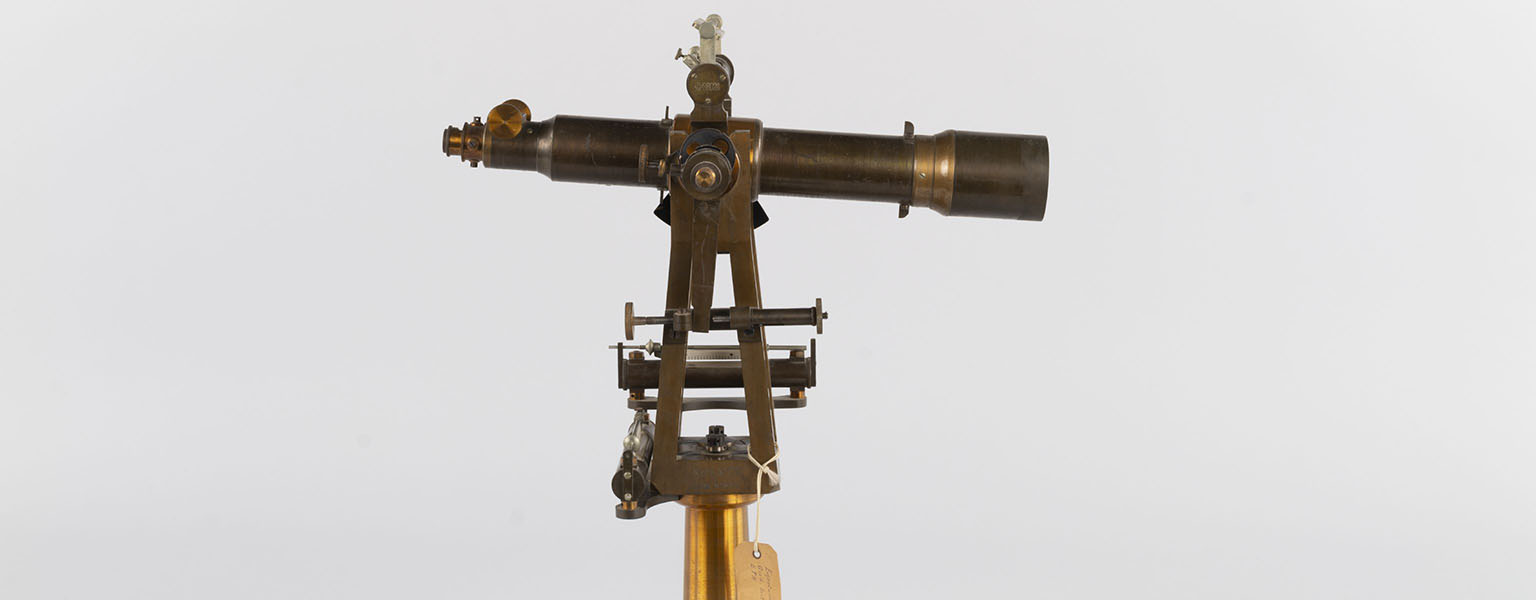
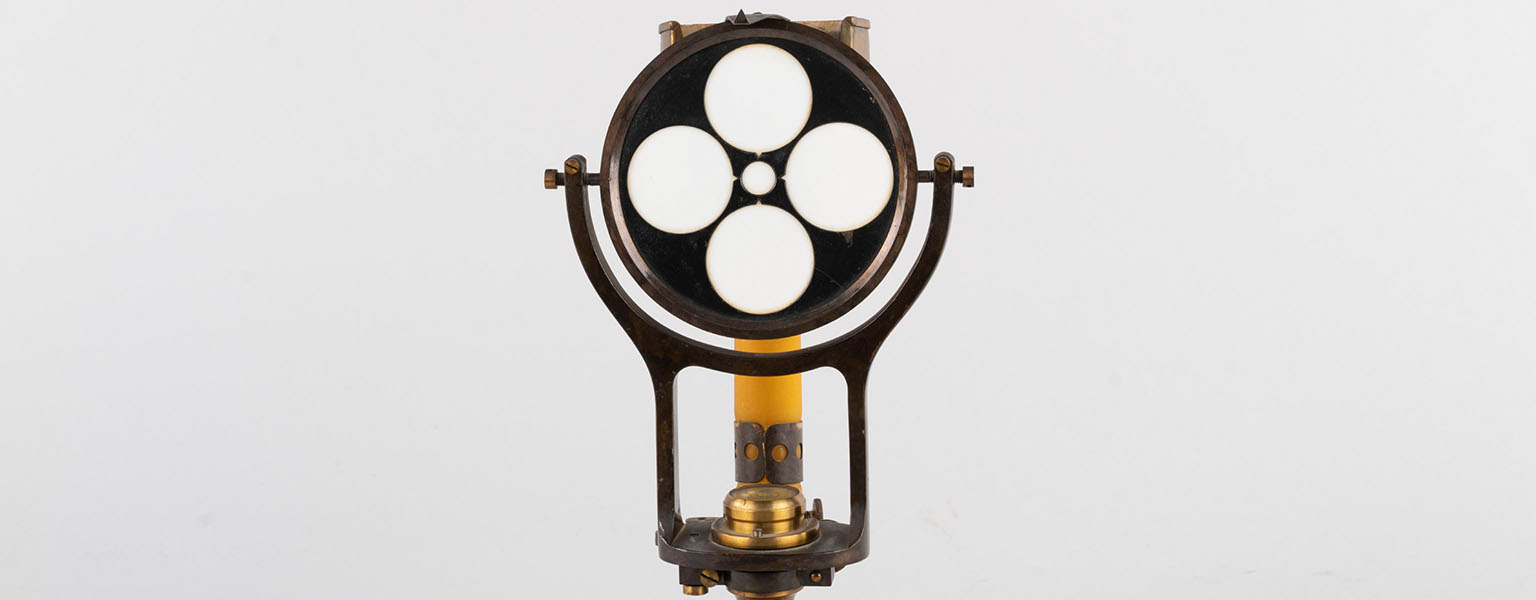
3D Collection – the Surveying Theodolite from Lötschberg Tunnel

The internal surveying of a tunnel is carried out using a surveying theodolite. This theodolite, which is now available as a 3D model, was used for surveying the Lötschberg tunnel.  The triangulation of Lötschberg tunnel was carried out between 25 August and 8 September 1906 … Read more

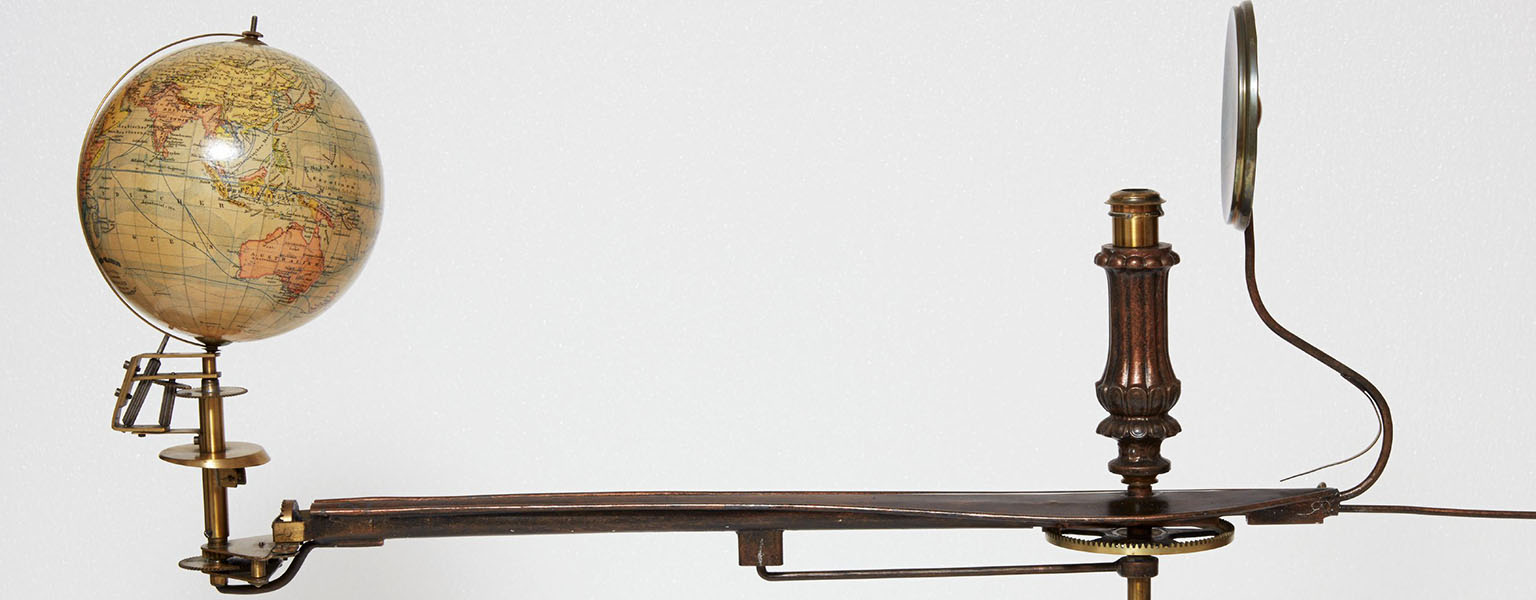
3D Collection – a Tellurion for School

This tellurion is part of the Observatory Collection. It was created by Rudolf Wolf (1816-1893). He was a professor of astronomy, head of Semper Observatory, director of the library of the Polytechnic (today ETH) and collector of astronomical instruments. The collection was continued by his successors Alfred … Read more

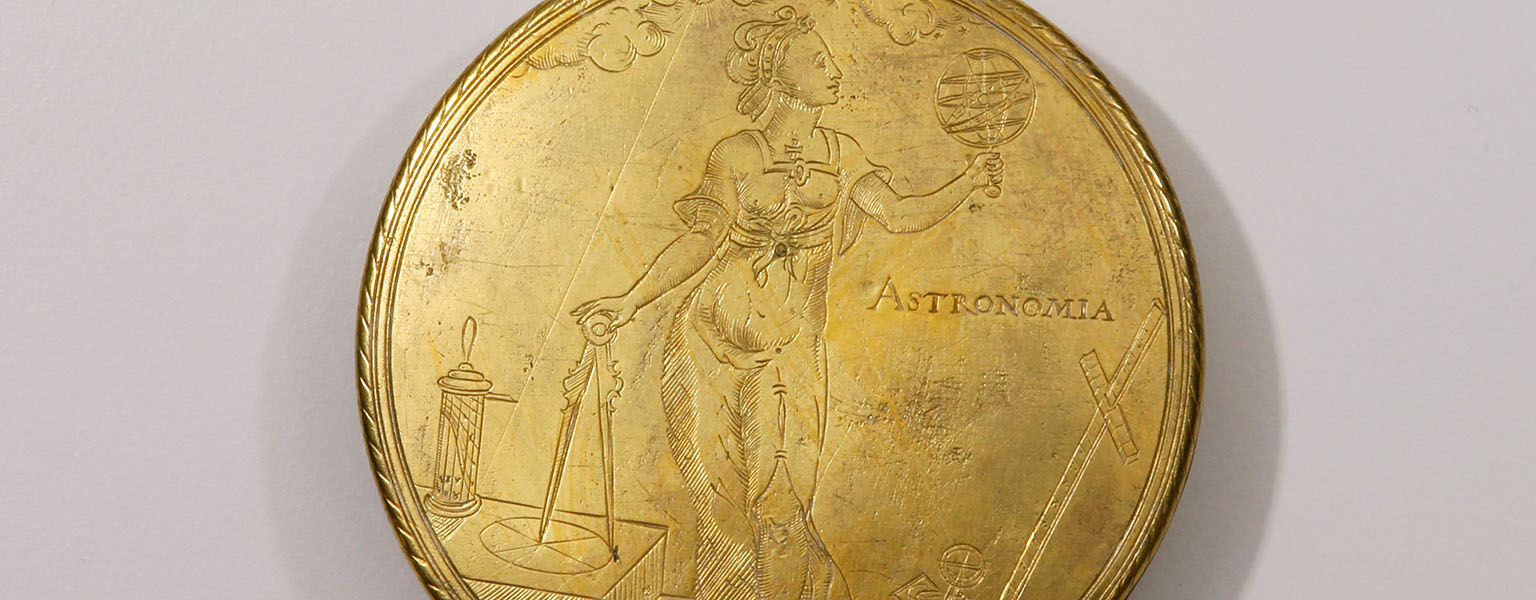
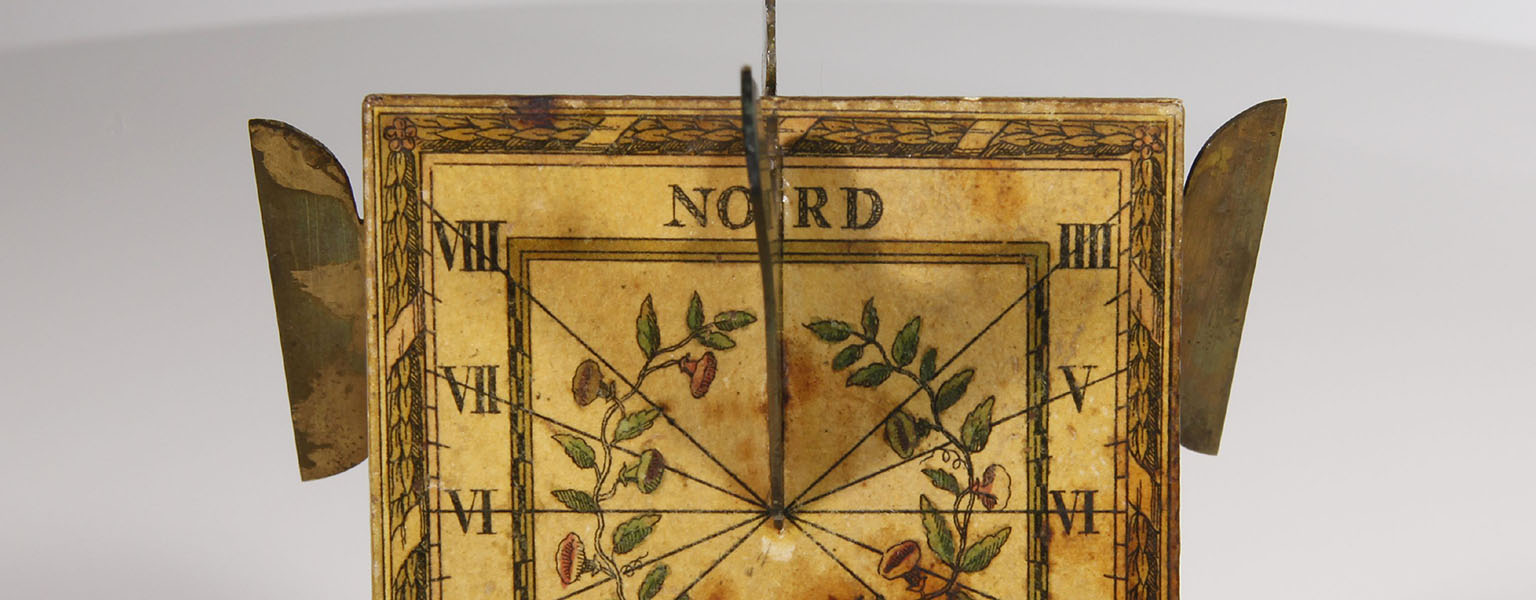
3D Collection – Astronomical Cutlery from the 16th Century

This “astronomical pocket cutlery” dates from the 16th century. It was made by Johannes Krabbe in 1583 and is thus one of the oldest objects in our collection. Sundial or astronomical (pocket) cutlery? The object belongs to the Observatory Collection, which was created by Rudolf … Read more

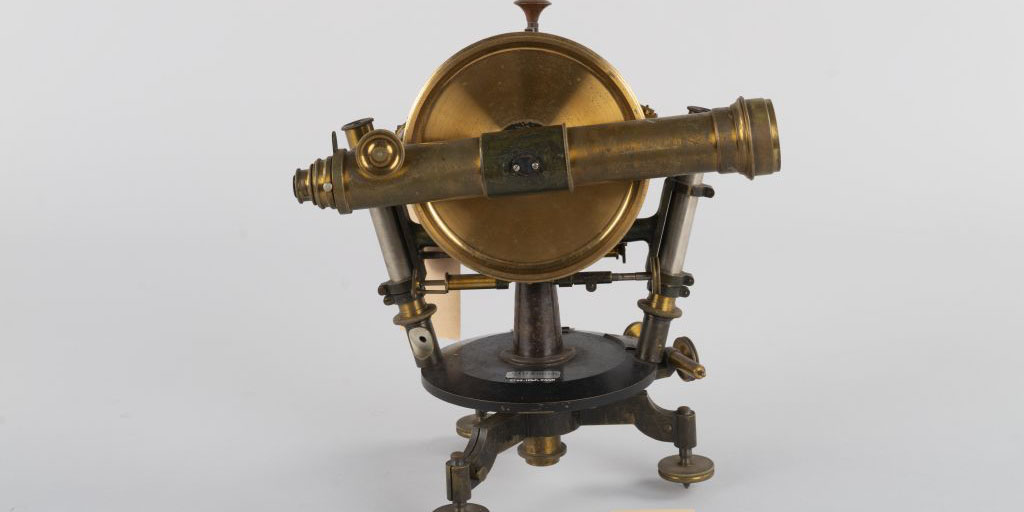
3D Collection – a Universal Instrument for Land Surveying

Like the T2 universal theodolite and the travel theodolite, this triangulation theodolite also originated from the Institute of Geodesy and Photogrammetry. According to the order book, the Institute – which was still called the Geodetic Institute at the time – purchased it for 1725 in 1902. It is … Read more

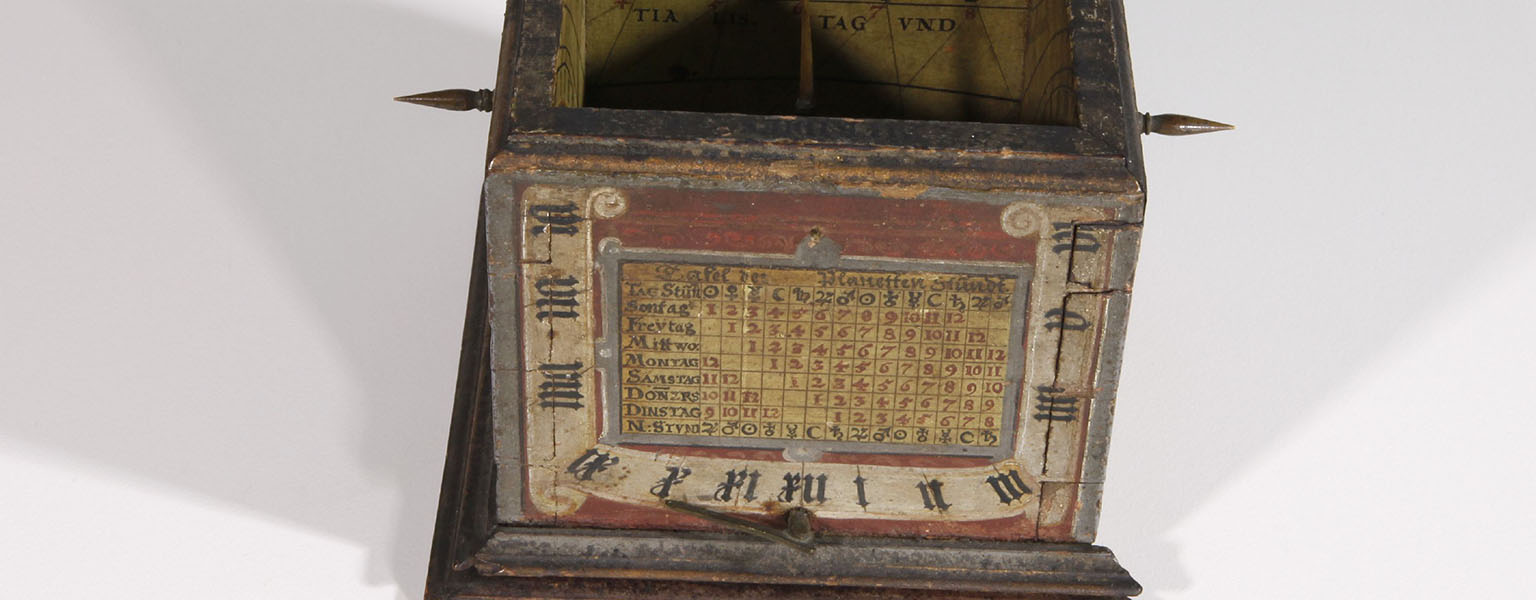
3D Collection – a Renaissance Wooden Sundial

Very little is known about this Renaissance wooden sundial. Based on an inscription on the floor inside the cube, we know that it was painted, or at most also made, by painter Jakob Hofmann from Schwäbisch Hall in 1597. This Renaissance painter was born in … Read more